Top Causes of Drain Clogs (and How to Avoid Them for Good)
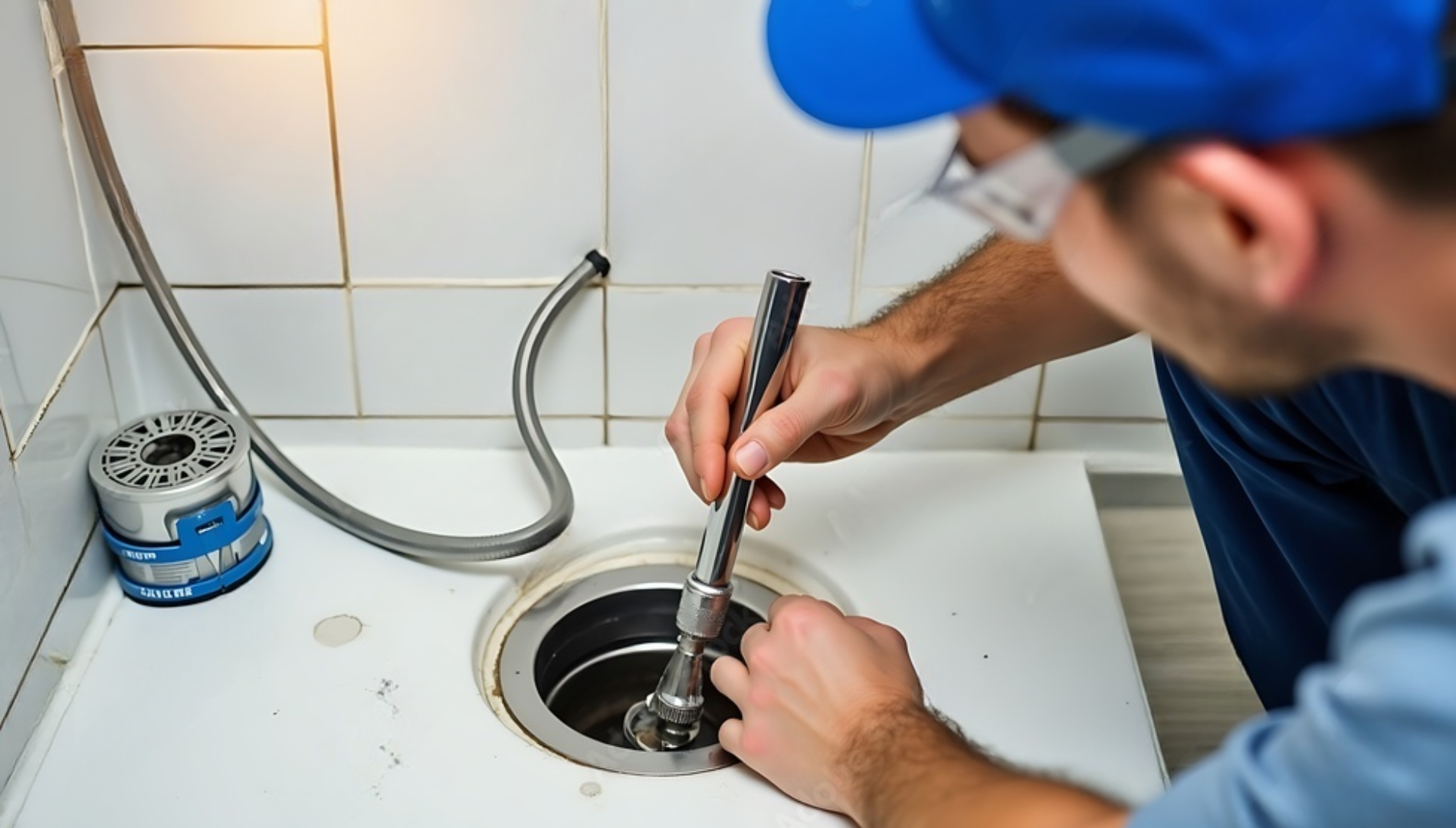
Drain clogs start quietly usually with everyday household routines you barely think about. Washing dishes, showering, brushing your teeth, or doing laundry slowly creates layers of buildup inside your pipes. What begins as a sluggish drain can evolve into a stubborn clog, a smelly backup, or even a full plumbing emergency.
Understanding the root causes of these clogs is the first step toward protecting your home. And when home remedies fall short, reliable experts offering drain cleaning Murrieta services, such as CPI Plumbing Inc., can diagnose, clean, and restore your drains using safe, professional techniques.
Below, you’ll learn the top causes of drain clogs, how to prevent them, and when professional drain cleaning becomes essential.
What Is the Most Common Cause of Blocked Drains?
The most common cause of blocked drains is the accumulation of everyday household debris. Over time, small particles stick to the inside of your pipes and merge into thick, stubborn blockages.
Kitchen Drains
Grease, oil, food particles, coffee grounds, and soap residue form dense buildup along pipe walls. Even tiny amounts accumulate quickly, especially when combined with hard water minerals.
Bathroom Sinks & Showers
Hair, soap scum, toothpaste, shaving cream, and cosmetic debris create sticky, heavy clogs that quickly slow your drains.
Laundry Drains
Lint, fabric fibers, detergents, and dirt from clothing can clog laundry standpipes and floor drains.
Toilets
Excess toilet paper, wipes, cotton products, and items never meant to be flushed can create deep blockages in sewer lines.
Outdoor & Sewer Drains
Tree roots, soil, debris, and sediment often cause backups outdoors, especially in older sewer systems.
While a single instance of buildup might seem harmless, repeated layers eventually create major blockages, foul odors, overflows, and even pipe damage. Understanding the root causes is the foundation of effective drain cleaning and long-term prevention.
How Can I Prevent Clogs in My Drains?
Preventing clogs starts with small, consistent habits. A few minutes of prevention can save thousands in plumbing repairs later.
1. Use drain screens everywhere
Kitchen and bathroom screens catch hair, food scraps, and larger particles before they enter your pipes.
2. Never pour grease or oil down the drain
Grease solidifies as it cools, forming a thick, rock-hard clog. Always dispose of it in a sealed container in the trash.
3. Only flush toilet paper
Wipes (even “flushable” ones), cotton items, paper towels, and hygiene products cause major sewer clogs.
4. Run hot water after washing dishes
This helps wash away soap residue, preventing it from hardening inside the pipes.
5. Schedule routine professional drain cleaning
Annual or biannual drain cleaning removes buildup you cannot see and keeps pipes flowing smoothly.
6. Maintain your sewer line
Older homes and homes with trees nearby should schedule sewer inspections every 1–2 years.
These preventative practices significantly reduce the risk of major blockages and costly repairs.
How to Permanently Unclog a Drain
A permanent solution for unclogging a drain requires more than quick DIY fixes. While plungers, hot water, or chemical cleaners may offer temporary relief, they don’t address the deeper issues that cause recurring blockages. Professionals use several long-term methods to fully clear and restore drain lines.
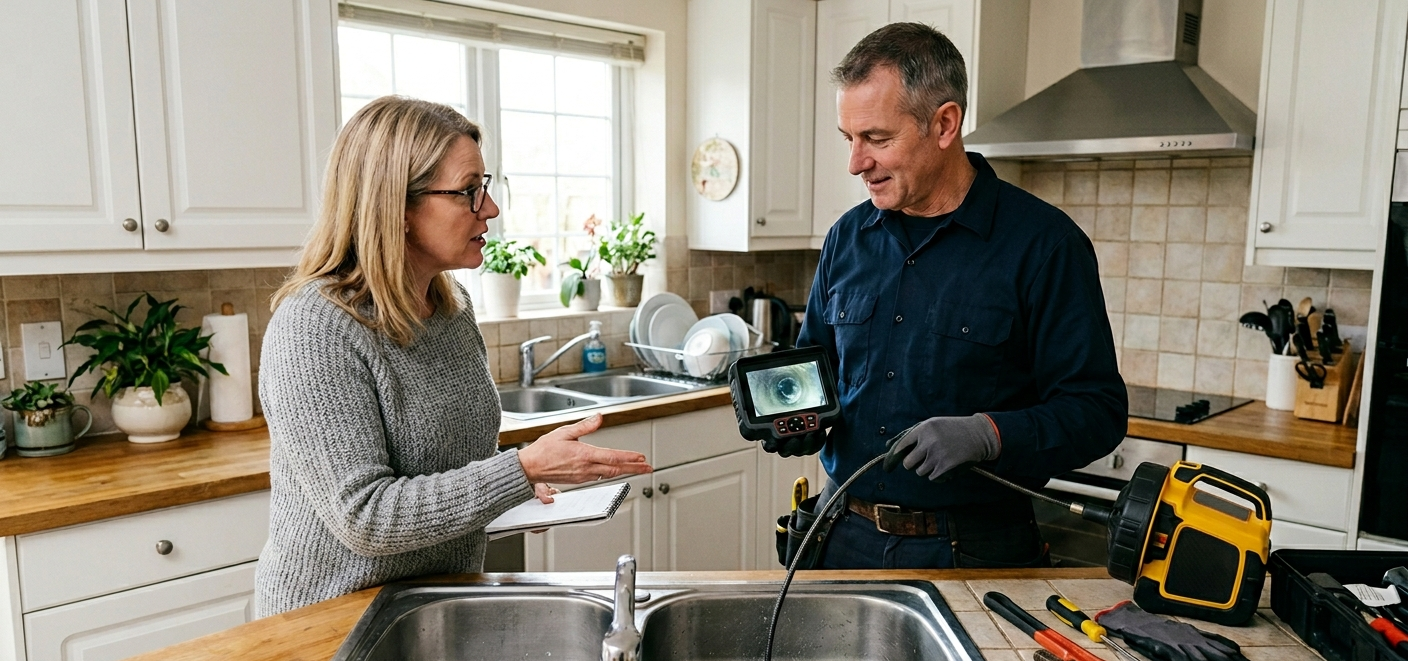
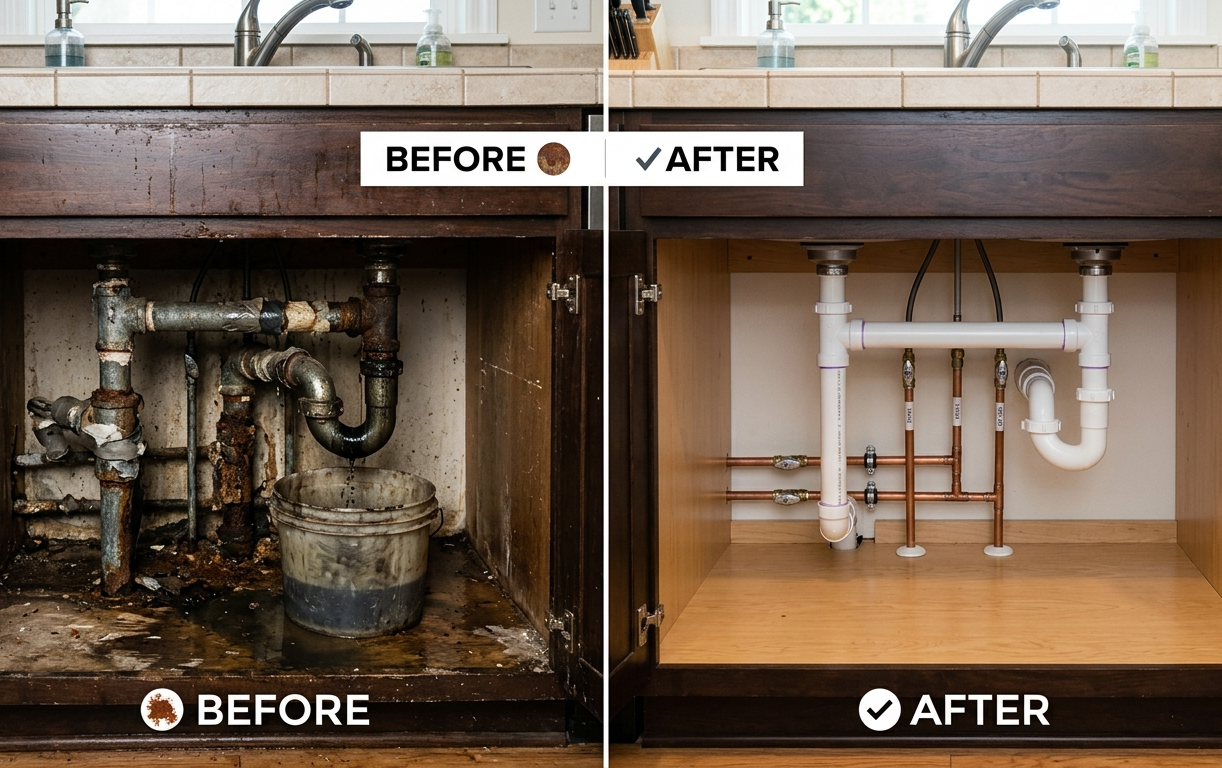
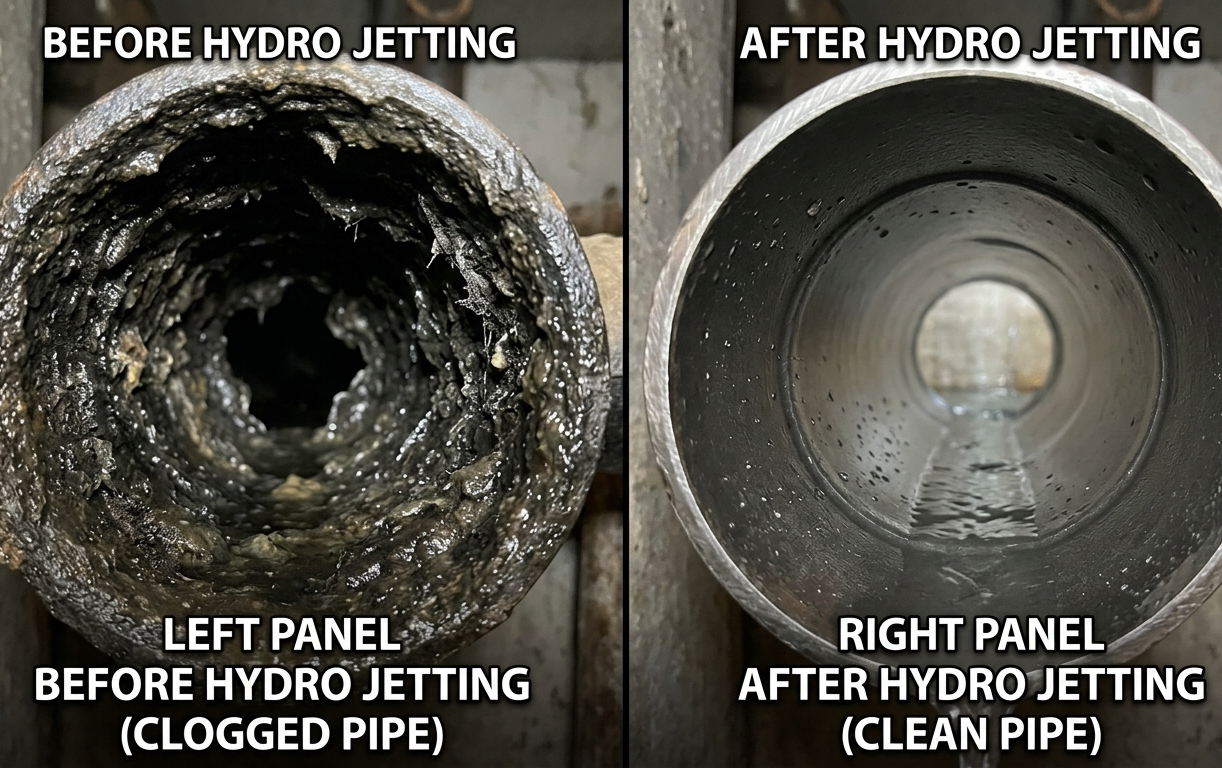
Hydro jetting is one of the most effective solutions, using high-pressure water to scour the inside of pipes and remove grease, sludge, soap scum, roots, and hardened deposits. Drain snaking, or augering, is another tool that mechanically breaks through blockages and works well for isolated clogs. Camera inspections help pinpoint the exact location and cause of the problem, ensuring the right repair technique is chosen, while pipe descaling is especially useful for older cast iron systems by removing years of mineral buildup and restoring the pipe’s original diameter.
When clogs keep returning, it’s often a sign of bigger underlying problems such as aging pipes, root intrusion, improper pipe slope, hidden leaks, or structural damage. A professional drain cleaning expert can identify the true cause and create a long-term solution that prevents the issue from coming back.
Why Do My Drains Keep Getting Clogged?
Recurring clogs suggest an underlying issue that goes beyond normal buildup. Here are the most common causes:
1. Internal Pipe Buildup
Grease, soap, minerals, and hair collect inside pipes, especially in homes with hard water.
2. Old or Damaged Pipes
Corroded, cracked, or sagging pipes restrict water flow and trap debris.
3. Tree Root Intrusion
Roots naturally grow toward moisture and can break into sewer lines, causing slow drains and backups.
4. Poor Plumbing Installation
Improper slope, misaligned joints, or outdated materials contribute to frequent clogs.
5. Hard Water
Mineral deposits narrow pipes, making clogs more likely.
6. Overuse of Chemical Drain Cleaners
Harsh chemicals erode pipe interiors, making them rougher causing debris to stick more easily.
When multiple drains clog at once, the issue is almost always in the main sewer line and requires immediate attention from a professional drain cleaning service.
What Is the Best Remedy for Clogged Drains?
The best remedy depends on the severity of the clog, but the most effective long-term solution is professional drain cleaning.
For Mild Clogs
- Hot (non-boiling) water
- Plunging
- Enzyme-based cleaners
- Manual debris removal
For Moderate Clogs
- Drain snaking
- Enzyme treatments
- Manual trap cleaning
For Severe or Recurring Clogs
- Hydro jetting
- Sewer line inspection
- Descaling
- Full professional
drain cleaning service
According to the American Housing Survey, plumbing issues and clogs are among the top reasons homeowners require professional services each year.
A proper assessment ensures you’re fixing not masking the true cause of the problem.
Why You Should Never Use Baking Soda and Vinegar to Unclog a Drain
The internet loves recommending baking soda and vinegar for clogged drains, but plumbing professionals agree, it simply doesn’t work for real blockages. The fizzy reaction looks impressive, but it happens above the actual clog, not inside it. The reaction itself is too weak to break down stubborn debris, and vinegar’s acidity can even damage older pipe materials.
In some cases, baking soda can harden when it meets grease inside the pipe, making the blockage worse instead of better. While this method can help deodorize a drain, it should never be relied on to unclog one. For anything beyond minor surface buildup, professional drain cleaning is the safest and most effective solution.
Most Common Household Items That Cause Clogs
Some of the most common household items are surprisingly notorious for causing drain clogs. Coffee grounds, eggshells, pasta, rice, and other starchy foods tend to expand and harden inside pipes. Hair binds with soap scum to form thick tangles, while oils, fats, and butter congeal into sticky residue that traps debris. “Flushable” wipes, dental floss, cotton balls, Q-tips, and even cat litter are also major culprits, they don’t break down the way people assume they will.
Even small amounts of these materials can build up over time, creating stubborn blockages deep inside your plumbing. Proper disposal habits go a long way toward preventing major clogs and reducing the need for frequent drain cleaning.
How Hard Water Contributes to Drain Clogs
Hard water is another major contributor to drain problems. Homes with high levels of calcium and magnesium naturally develop limescale, a hard, chalky mineral buildup that sticks to the inside of pipes. As the limescale thickens, it narrows your drain lines, traps debris, slows water flow, and causes recurring clogs.
It can even increase pressure on joints and fixtures, leading to leaks or pipe damage. Installing a water softener or scheduling regular drain cleaning and descaling services helps keep your plumbing system clear and efficient.
When to Get a Professional Drain Inspection
Knowing when to get a professional drain inspection is essential. You should consider scheduling one if multiple drains clog at the same time, if sewage odors linger around your home, or if you hear gurgling sounds coming from sinks or tubs. Water backing up into other fixtures, slow drains throughout the house, or frequent clogs despite DIY attempts are all strong indicators of deeper issues.
Older homes with a history of plumbing problems should also be inspected regularly. A camera inspection can reveal hidden concerns like structural damage, corrosion, or tree root intrusion, allowing you to address issues before they turn into full-blown emergencies.
If you suspect a major blockage or want to stay ahead of future problems, getting quotes from professional drain cleaning companies is a smart move. Many providers offering drain cleaning Murrieta services, including CPI Plumbing Inc., make it easy for homeowners to compare pricing and service options. Early detection and professional care can save you from costly repairs and unexpected sewer emergencies.
Final Thought
Drain clogs are frustrating, messy, and often unexpected but they’re also preventable. By understanding the causes, building better everyday habits, and knowing when to get professional help, you can keep your drains clear and avoid costly plumbing disasters.
Whether it’s recurring clogs, persistent odors, or a stubborn blockage deep in your pipes, professional drain cleaning offers long-term solutions that restore flow, protect your plumbing system, and give you peace of mind.
Want to
learn more about expert drain cleaning or prevent recurring clogs? Explore professional drain cleaning Murrieta services from CPI Plumbing Inc. Their team can inspect your system, explain your options, and help you maintain healthy, problem-free drains for years to come.
Follow their social media pages below:
Ready to work with CPI Plumbing inc.?
Let's connect! We’re here to help.
Send us a message and we’ll be in touch.
Or give us a call today at 111-222-3333
Agency Contact Form
More Marketing Tips, Tricks & Tools